Introduction
In today’s interconnected world, the logistics industry serves as the backbone of global trade, ensuring the smooth movement of goods and services across vast distances. However, with the increasing complexities of supply chains, rising customer expectations, and ever-evolving market dynamics, logistics companies are facing unprecedented challenges. In this landscape, the role of Artificial Intelligence (AI) solutions has become paramount. AI technologies offer innovative ways to optimize operations, improve efficiency, and enhance decision-making in logistics. In this comprehensive article, we delve into the role, need, and benefits of AI solution for logistics, exploring their capabilities, applications, and potential impact on the industry.
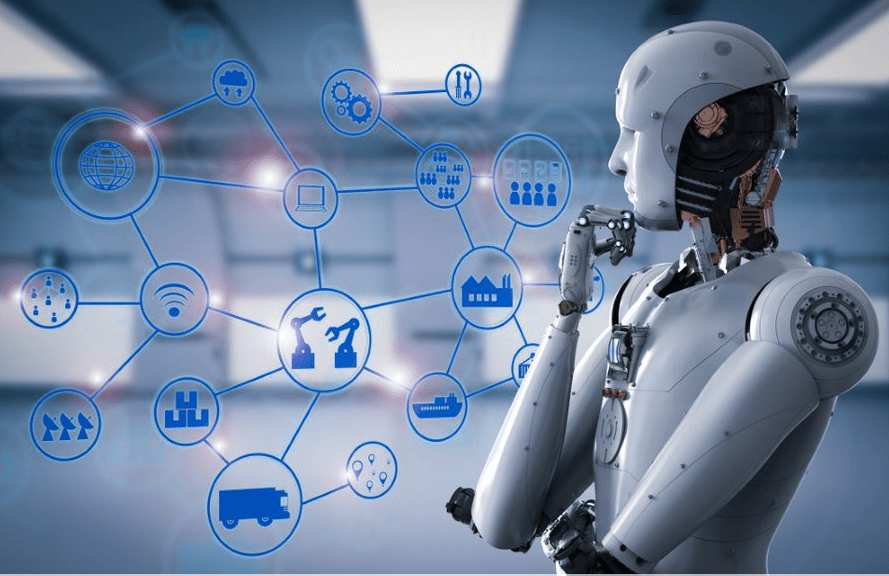
Understanding AI Solution for Logistics
AI solutions encompass a wide range of technologies and algorithms that enable computers to perform tasks that typically require human intelligence. In the context of logistics, AI solutions leverage machine learning, deep learning, natural language processing, and other AI techniques to analyze data, predict outcomes, and automate processes. The AI solution for logistics can enhance various aspects of logistics operations, including demand forecasting, route optimization, inventory management, supply chain visibility, and risk mitigation.
The Role of AI Solution for Logistics
AI solution for logistics plays a multifaceted role in addressing the complex challenges faced by the logistics industry:
1. Automation of Routine Tasks
AI solution for logistics automates routine tasks such as data entry, document processing, and order fulfillment, freeing up valuable human resources to focus on more strategic activities. By leveraging robotic process automation (RPA) and cognitive automation technologies, these solutions streamline operations, reduce errors, and improve efficiency in logistics workflows.
2. Predictive Analytics
AI solution for logistics enables logistics companies to harness the power of predictive analytics to anticipate demand, optimize inventory levels, and plan resources more effectively. By analyzing historical data, identifying patterns, and generating forecasts, these solutions provide valuable insights that enable companies to make informed decisions and adapt to changing market conditions in real-time.
3. Route Optimization
AI solutions leverage advanced algorithms to optimize delivery routes, minimize transportation costs, and improve resource utilization in logistics operations. By considering factors such as traffic conditions, vehicle capacity, delivery windows, and fuel efficiency, these solutions generate optimal routes that enable companies to reduce transit times, increase on-time deliveries, and enhance customer satisfaction.
4. Supply Chain Visibility
AI solution for logistics provides real-time visibility into the entire supply chain, enabling logistics companies to track shipments, monitor inventory levels, and identify potential bottlenecks or disruptions. By leveraging IoT sensors, RFID tags, and blockchain technology, these solutions create a transparent and traceable supply chain ecosystem that enables companies to proactively manage risks and ensure the timely delivery of goods.
5. Risk Mitigation
AI solutions help logistics companies identify and mitigate various risks, including supply chain disruptions, natural disasters, and geopolitical events. By analyzing data from multiple sources, detecting anomalies, and predicting potential outcomes, these solutions enable companies to develop contingency plans, allocate resources effectively, and minimize the impact of risks on operations.
The Need for AI Solutions in Logistics
The growing complexity and volatility of the logistics landscape have created a pressing need for AI solutions:
1. Rising Customer Expectations
Customers expect faster delivery times, personalized service, and real-time visibility into the status of their shipments. AI solutions enable logistics companies to meet these expectations by optimizing routes, reducing transit times, and providing accurate tracking information throughout the delivery process.
2. Globalization of Supply Chains
Supply chains have become increasingly globalized, with goods moving across multiple countries and continents. AI solutions help logistics companies navigate the complexities of global trade by optimizing customs clearance processes, managing regulatory compliance, and mitigating risks associated with international transactions.
3. Data Overload
Logistics companies are inundated with vast amounts of data from multiple sources, including sensors, GPS devices, and transactional systems. AI solutions enable companies to make sense of this data by identifying patterns, detecting anomalies, and extracting actionable insights that drive informed decision-making and operational efficiency.
4. Dynamic Market Conditions
Market conditions are constantly changing, with fluctuations in demand, shifts in consumer preferences, and disruptions in supply chains. AI solutions enable logistics companies to adapt quickly to these changes by providing real-time insights, predictive analytics, and automated decision-making capabilities that optimize resource allocation and mitigate risks.
Benefits of AI Solutions for Logistics
The adoption of AI solutions in logistics offers numerous benefits for companies:
1. Improved Efficiency
AI solutions streamline operations, automate routine tasks, and optimize workflows, leading to improved efficiency and productivity in logistics operations.
2. Cost Reduction
AI solutions help companies reduce costs by optimizing routes, minimizing inventory levels, and reducing errors, leading to cost savings and improved profitability.
3. Enhanced Decision-Making
AI solutions provide valuable insights and predictive analytics that enable companies to make informed decisions, adapt to changing market conditions, and seize new opportunities for growth.
4. Enhanced Customer Satisfaction
AI solutions enable companies to provide faster delivery times, personalized service, and real-time visibility into shipments, leading to increased customer satisfaction and loyalty.
5. Risk Mitigation
AI solutions help companies identify and mitigate risks, such as supply chain disruptions, natural disasters, and geopolitical events, enabling them to maintain business continuity and protect against financial losses.
6. Innovation and Competitive Advantage
AI solutions drive innovation and enable companies to gain a competitive advantage by leveraging cutting-edge technologies, optimizing processes, and delivering superior service to customers.
Future Outlook
As AI technologies continue to evolve and mature, their role in the logistics industry is expected to become even more significant. With advancements in machine learning, deep learning, and predictive analytics, AI solutions will enable companies to achieve unprecedented levels of efficiency, agility, and competitiveness. By embracing AI solutions, logistics companies can unlock new opportunities for growth, innovation, and success in the dynamic and ever-changing global marketplace.
Conclusion
AI solutions play a crucial role in addressing the complex challenges faced by the logistics industry, including rising customer expectations, globalization of supply chains, data overload, and dynamic market conditions. By automating routine tasks, providing predictive analytics, optimizing routes, enhancing supply chain visibility, and mitigating risks
 Smart Trends Tech