In the ever-evolving landscape of logistics, the integration of Artificial Intelligence (AI) has brought about significant advancements. Among these innovations, the Enterprise Generative AI Platform stands out as a transformative tool for optimizing logistics operations. As we look ahead, it’s essential to explore the potential of this platform and envision the future of logistics management. In this article, we’ll delve into the promising future of the Enterprise Gen AI Platform for Logistics, examining emerging trends, advancements, and the impact on the industry.
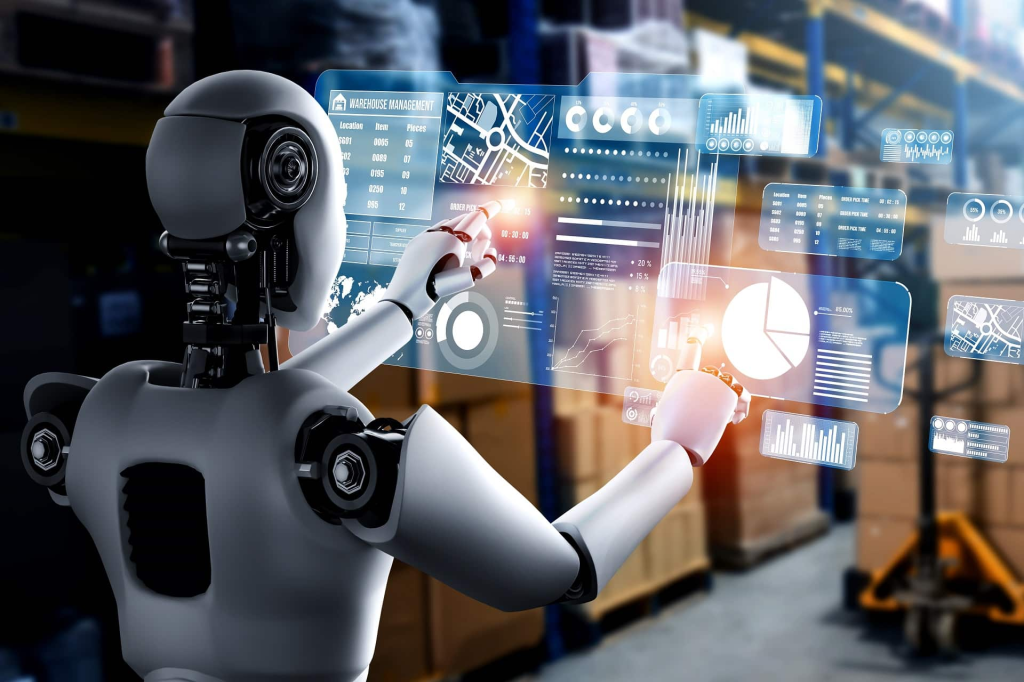
Understanding the Future Landscape of Logistics
The Evolution of Logistics Technology
Over the years, logistics has undergone a remarkable transformation fueled by advancements in technology. From manual processes to automated systems, the industry has embraced innovations to enhance efficiency, reduce costs, and improve customer satisfaction. With the advent of AI, logistics companies are now poised to leverage advanced analytics, predictive modeling, and automation to unlock new levels of performance and competitiveness.
The Rise of Enterprise Generative AI Platform
The Enterprise Generative AI Platform represents the next frontier in logistics technology. By harnessing the power of generative AI, this platform enables companies to optimize various aspects of logistics management, including route planning, demand forecasting, inventory optimization, and supply chain visibility. As the technology matures and adoption increases, the platform is expected to play a pivotal role in shaping the future of logistics operations.
Emerging Trends in Enterprise Gen AI Platform for Logistics
1. Advanced Predictive Analytics
One of the key trends driving the future of the Enterprise Gen AI Platform for Logistics is the adoption of advanced predictive analytics. By leveraging vast amounts of historical data, AI algorithms can identify patterns, trends, and anomalies to make accurate predictions about future events. This capability enables logistics companies to anticipate demand fluctuations, optimize resource allocation, and mitigate risks effectively.
2. Real-Time Decision-Making
As logistics operations become increasingly complex and dynamic, the need for real-time decision-making becomes paramount. The future of the Enterprise Generative AI Platform lies in its ability to analyze data streams in real-time, enabling companies to make informed decisions on the fly. Whether adjusting routes, rerouting shipments, or reallocating resources, real-time insights empower logistics managers to respond swiftly to changing conditions and optimize performance.
3. Autonomous Logistics Operations
Another emerging trend is the development of autonomous logistics operations powered by AI. As technology advances, we can expect to see greater automation in various aspects of logistics, including autonomous vehicles, drones, and robotic warehouses. The Enterprise Generative AI Platform will play a crucial role in orchestrating these autonomous systems, optimizing their interactions, and ensuring seamless integration into existing logistics workflows.
4. Hyper-Personalized Customer Experiences
In the future, logistics companies will increasingly focus on delivering hyper-personalized customer experiences. By leveraging AI-powered analytics, companies can gain deep insights into customer preferences, behaviors, and needs. The Enterprise Generative AI Platform will enable companies to tailor their logistics services to individual customers, offering personalized delivery options, scheduling preferences, and proactive communication, thereby enhancing customer satisfaction and loyalty.
Advancements in Enterprise Generative AI Platform for Logistics
1. Enhanced Predictive Modeling
Future iterations of the Enterprise Generative AI Platform will feature enhanced predictive modeling capabilities, leveraging advanced machine learning algorithms and deep learning techniques. These models will be able to analyze complex data sets, including unstructured data such as sensor data, weather forecasts, and social media feeds, to generate more accurate predictions and actionable insights.
2. Optimization Across the Supply Chain
The future of the Enterprise Generative AI Platform will extend beyond individual logistics functions to optimize operations across the entire supply chain. By integrating with suppliers, manufacturers, distributors, and retailers, the platform will enable end-to-end optimization, from raw material sourcing to final delivery. This holistic approach will streamline workflows, minimize delays, and maximize efficiency throughout the supply chain ecosystem.
3. Adaptive Learning and Self-Improvement
As AI technologies continue to evolve, the Enterprise Generative AI Platform will incorporate adaptive learning capabilities, enabling it to continuously self-improve and adapt to changing conditions. By analyzing feedback loops, performance metrics, and user interactions, the platform will refine its algorithms, enhance its decision-making capabilities, and anticipate future trends, ensuring ongoing relevance and effectiveness.
The Impact on the Logistics Industry
1. Increased Efficiency and Cost Savings
The future of the Enterprise Generative AI Platform promises to deliver unprecedented levels of efficiency and cost savings for logistics companies. By optimizing operations, reducing waste, and minimizing delays, the platform will enable companies to lower operating costs, improve profit margins, and gain a competitive edge in the market.
2. Enhanced Customer Satisfaction
With its ability to deliver hyper-personalized experiences and real-time insights, the Enterprise Generative AI Platform will significantly enhance customer satisfaction. By providing accurate delivery estimates, proactive notifications, and flexible options, logistics companies can exceed customer expectations, build loyalty, and drive repeat business.
3. Improved Sustainability
As sustainability becomes a top priority for logistics companies, the future of the Enterprise Generative AI Platform will focus on optimizing operations for environmental impact. By minimizing fuel consumption, reducing emissions, and optimizing route planning, the platform will contribute to a more sustainable logistics ecosystem, aligning with broader environmental goals and regulations.
Conclusion
The future of the Enterprise Generative AI Platform for Logistics holds immense promise for the industry. With advanced predictive analytics, real-time decision-making, autonomous operations, and hyper-personalized experiences, the platform will revolutionize logistics management, driving efficiency, innovation, and sustainability. As companies continue to embrace AI technologies, the Enterprise Generative AI Platform will emerge as a cornerstone of modern logistics, reshaping the industry and propelling it into a new era of success and growth.
 Smart Trends Tech