The retail industry is undergoing a seismic transformation driven by advancements in artificial intelligence (AI). Among the various AI technologies, generative AI platforms stand out for their ability to revolutionize how retailers operate, engage with customers, and innovate. This article explores the future and scope of gen AI platform for retail, shedding light on emerging trends, potential applications, and the profound impact on the industry.
Introduction: The Evolution of Retail Through Generative AI
Generative AI leverages machine learning algorithms to create new content, predict trends, and optimize processes. In the retail sector, these platforms enable personalized shopping experiences, efficient operations, and innovative marketing strategies. As consumer expectations continue to evolve, gen AI platform for retail offers retailers the tools to stay competitive and relevant.
The Future of Generative AI in Retail
1. Hyper-Personalized Customer Experiences
1.1 Enhanced Product Recommendations
In the future, generative AI will provide even more accurate and personalized product recommendations by analyzing an expanded range of data, including real-time behavior, social media activity, and even sentiment analysis. This will lead to highly customized shopping experiences that cater to individual preferences and needs.
1.2 Advanced Virtual Assistants
Generative AI will power sophisticated virtual shopping assistants capable of understanding and responding to natural language queries, providing personalized advice, and even engaging in complex interactions. These assistants will enhance customer service and engagement.
2. Intelligent Inventory and Supply Chain Management
2.1 Predictive Inventory Management
Future generative AI platforms will offer more precise demand forecasting by integrating data from various sources such as social media trends, weather patterns, and economic indicators. This will help retailers optimize inventory levels, reduce waste, and improve overall efficiency.
2.2 Autonomous Supply Chain Optimization
AI-driven supply chains will become more autonomous, with generative AI identifying inefficiencies, predicting disruptions, and suggesting real-time adjustments. This will lead to faster delivery times, reduced costs, and improved reliability.
3. Revolutionary Marketing and Sales Strategies
3.1 AI-Generated Content
Generative AI will create high-quality marketing content, including advertisements, social media posts, and email campaigns, tailored to specific audiences. This automation will save time and ensure consistent, engaging, and relevant marketing materials.
3.2 Dynamic and Personalized Pricing
Generative AI will enable real-time dynamic pricing strategies based on a comprehensive analysis of market conditions, competitor pricing, and individual customer behavior. This approach will maximize revenue and enhance customer satisfaction by offering personalized discounts and offers.
4. Advanced Analytics and Customer Insights
4.1 Deep Customer Behavior Analysis
Generative AI platforms will provide deeper insights into customer behavior by analyzing a wider range of data points, including browsing patterns, purchase history, and feedback. These insights will inform product development, marketing strategies, and customer service enhancements.
4.2 Predictive Trend Analysis
AI will identify emerging market trends and consumer preferences, allowing retailers to stay ahead of the curve. By predicting future trends, retailers can develop products and strategies that meet evolving customer needs.
5. Innovative Product Development
5.1 AI-Driven Design and Prototyping
Generative AI will assist in creating new product designs and prototypes by analyzing current trends, customer feedback, and market demands. This will accelerate the product development process and ensure that new products align with consumer expectations.
5.2 Virtual Reality and Augmented Reality Integration
AI-powered virtual and augmented reality technologies will enable immersive product visualization and testing, allowing customers to experience products before purchasing. This innovation will enhance the shopping experience and reduce returns.
6. Enhanced In-Store Experiences
6.1 Smart Store Layouts
Generative AI will optimize store layouts by analyzing customer flow and behavior. This will ensure that high-demand products are strategically placed, enhancing the shopping experience and driving sales.
6.2 Interactive and Personalized Displays
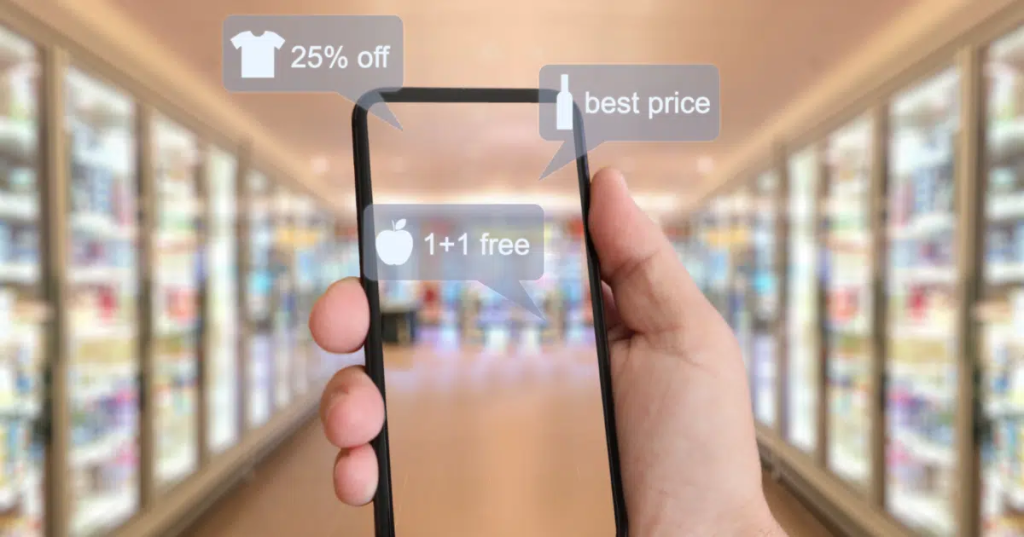
AI-powered displays will provide interactive and personalized content based on customer interactions, offering product information, recommendations, and promotions. These smart displays will engage customers and encourage purchases.
The Scope of Generative AI in Retail
1. E-Commerce and Online Retail
1.1 Personalized Online Shopping
Generative AI will enhance e-commerce platforms by offering personalized recommendations, dynamic pricing, and tailored marketing content. This will create a more engaging and satisfying online shopping experience.
1.2 Virtual Try-Ons and Product Visualization
AI-powered virtual try-ons and 3D product visualization will allow online shoppers to experience products in a more realistic way, reducing uncertainty and increasing confidence in their purchases.
2. Brick-and-Mortar Stores
2.1 Seamless Omnichannel Integration
Generative AI will enable seamless integration between online and offline channels, ensuring a consistent and personalized customer experience across all touchpoints. This will drive customer loyalty and satisfaction.
2.2 AI-Driven In-Store Assistance
AI-powered kiosks and mobile applications will provide in-store assistance, guiding customers to products, offering personalized recommendations, and providing real-time information.
3. Supply Chain and Logistics
3.1 Real-Time Supply Chain Visibility
Generative AI will offer real-time visibility into the supply chain, allowing retailers to track inventory, predict disruptions, and make data-driven decisions. This will enhance supply chain efficiency and resilience.
3.2 Sustainable Practices
AI will help retailers implement sustainable practices by optimizing inventory levels, reducing waste, and improving resource allocation. This will contribute to environmental sustainability and cost savings.
4. Marketing and Customer Engagement
4.1 Hyper-Targeted Campaigns
Generative AI will enable hyper-targeted marketing campaigns by analyzing customer data and behavior. This will ensure that marketing efforts are relevant and impactful, driving higher engagement and conversion rates.
4.2 Real-Time Customer Feedback
AI will collect and analyze real-time customer feedback, allowing retailers to address issues promptly and continuously improve their offerings. This proactive approach will enhance customer satisfaction and loyalty.
5. Product Development and Innovation
5.1 Data-Driven Innovation
Generative AI will drive innovation by providing insights into emerging trends and customer preferences. Retailers can leverage these insights to develop new products and services that meet evolving market demands.
5.2 Collaborative Design
AI will facilitate collaborative design processes by integrating feedback from customers, designers, and other stakeholders. This will result in products that are more aligned with customer needs and preferences.
Challenges and Considerations
While the future of generative AI in retail is promising, there are several challenges and considerations to address:
1. Data Privacy and Security
- Customer Data Protection: Ensuring that customer data is handled securely and in compliance with regulations is crucial.
- Cybersecurity Measures: Implementing robust cybersecurity measures to protect AI systems from potential threats.
2. Ethical AI Use
- Bias Mitigation: Addressing potential biases in AI models to ensure fair and unbiased decision-making.
- Transparency: Maintaining transparency in AI processes to build trust with customers and stakeholders.
3. Scalability and Integration
- Scalable Solutions: Choosing AI platforms that can scale with business growth.
- Seamless Integration: Ensuring that AI solutions integrate seamlessly with existing systems and processes.
4. Change Management
- Stakeholder Buy-In: Securing buy-in from key stakeholders by demonstrating the value of AI integration.
- Employee Adaptation: Supporting employees in adapting to AI-driven changes through training and continuous support.
Conclusion: Embracing the Future of Generative AI in Retail
Generative AI platforms offer transformative potential for the retail industry, from hyper-personalized customer experiences and intelligent inventory management to innovative product development and enhanced in-store experiences. As technology continues to evolve, the scope of generative AI in retail will expand, offering new opportunities for growth and innovation.
By understanding and leveraging the key features of generative AI platforms, retailers can stay ahead of the curve, meet the ever-changing needs of consumers, and achieve sustainable success. Embracing generative AI is not just a technological advancement but a strategic imperative for the future of retail.
 Smart Trends Tech